Small Shifts, Big Impact: Easier Award Delivery
December 11, 2025Supporting youth shouldn’t feel like an extra job
Award Leaders tell us something we deeply understand: “I love the Award, I just struggle to find consistent time for it.”
You’re juggling classes, supervision, planning, paperwork, student needs, family responsibilities, all while building a caring environment for young people. It’s a lot.
When the Award only happens “off the side of your desk,” young people struggle to reflect consistently, log activities, and stay engaged.
The encouraging news? Many Award Centres are trying small delivery shifts that make the Award feel easier to run, not bigger, while actually strengthening youth outcomes.
What Award Centres are doing differently
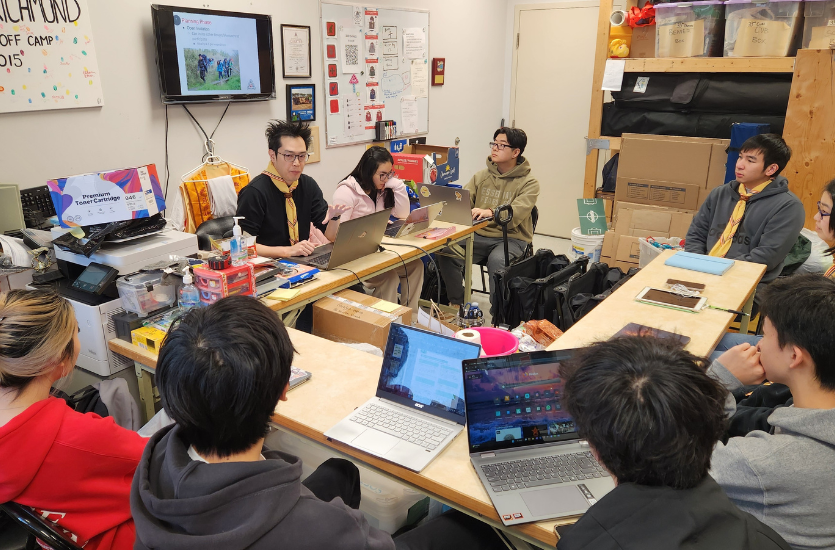
Rather than running the Award only outside of regular schedules, many Centres are using existing class or program time to support participants. They aren’t adding more, they are using the moments that already bring young people together.
In these settings, Award time becomes purposeful time to:
- Set and review goals
- Reflect on activities or a shared experience
- Update logs in the Online Record Book
- Check in on progress together as a cohort
Some teachers are even using the Online Record Book (ORB) as part of classroom assessment, helping students develop reflective thinking and self-management skills.
When a full class or program group is doing the Award together, leaders have more flexibility, it becomes a shared routine, not an extra task. Students stay on track because the time and space are built in and supported by peers and educators who already know them and understand how they learn.
This approach also gives educators and program leaders a clearer window into how young people are experiencing their activities. With regular reflection built into learning time, leaders can hear directly from participants:
- What did you enjoy most about that session?
- What felt challenging and why?
- What skills do you think you’re developing?
- Where do you feel proud of your progress?
- What support would help you keep going?
These conversations deepen the Award experience and strengthen the class or program itself. Educators and youth workers can quickly spot where students are thriving, where they may need encouragement, or where the program can be adjusted to better support engagement, wellbeing, or skill development.
Reflection in community not only helps participants recognize growth, it helps the adults guiding them see impact, build confidence, and design experiences that meet learners where they are. It becomes a cycle of practice, reflection, and improvement that benefits everyone.
Why these small shifts work
Yes, they help Award Leaders manage time and stay consistent.
But the real impact shows up in young people:
- More consistent reflection — youth recognize their own growth
- Stronger confidence — they learn to talk about their skills and progress
- Better completion — regular touchpoints = momentum and accountability
- Peer support — younger participants see what’s possible by watching others
- Pride and belonging — the Award becomes part of the culture, not a side project
When reflections happen in the classroom, gym, art room, or youth space — not just at home on a screen, participants connect their Award to the life they’re already living.
They see themselves growing and they learn how to talk about that growth, something that carries into job interviews, applications, and leadership opportunities.
One Award Leader shared:
“The outcomes became richer when we stopped squeezing the Award into ‘extra time.’ Reflection started happening naturally, and completion followed.”
Another told us:
“Letting senior students help lead changed everything. It wasn’t me carrying it alone, and the younger students loved hearing from their peers.”
This is not “more work”, it’s a different way of looking at it
Not every Centre will move fully to co-curricular delivery, and that’s okay.
What we’re seeing across Canada is that even small touchpoints make a difference.
Begin by identifying one class, club, or program where everyone participates in the Award. That group can use the Award to deepen what they are already doing, for example, using that course or program as their primary activity for one Award section.
From there:
- Introduce goal-setting within the class or program
- Build a few minutes of reflection into your weekly routine
- Use the space to help students log their progress in the Online Record Book
- Encourage peer support and shared check-ins
- Celebrate milestones in small, meaningful ways
This gives young people structured support, and gives educators and program leaders the chance to see, in real time, how participants are building skills, where they’re being challenged, and how confidence grows through practice and reflection.
It’s not about doing more, it’s about using time you already have to help students develop habits, motivation, and confidence that travel with them far beyond the Award.
Start small. Test one approach.
You don’t have to change everything to start seeing change.
We’re here to help you explore what works for you
Every school and youth organization is different, and that’s a strength.
Whether you’re:
- Curious about trying one small integration point
- Wanting to explore a co-curricular model
- Hoping to increase completion
- Feeling stretched and looking for sustainability
We are here to support you.
Let’s talk about what might work for your setting
https://www.dukeofed.org/our-program/deliver/deliver-the-award/
When young people see their growth in real time, when reflection becomes part of their week, not an afterthought, the Award stops being something they complete. It becomes part of who they are.
Share this...

