Outdoor Education
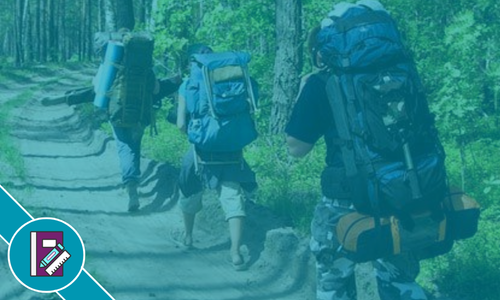
Outdoor education uses experiential learning to build skills, leadership, and environmental awareness. The Award strengthens outdoor learning by structuring skill development, physical readiness, service, and a purposeful journey. It supports reflection, risk management, and teamwork while enhancing learning that already takes place outdoors.
Building Your Award:
Find classroom examples to support activity planning


Class activities you can count:
Navigation, campcraft, equipment care, safety routines, outdoor technical skills, risk management learning etc.
Example SMART goal:
Over the next 13 weeks, I will improve my outdoor readiness by practicing one outdoor skill each week and uploading evidence (photos/checklists) plus a progress reflection on what improved and what I will repeat next.
Example Assessor:
Outdoor Ed teacher or instructor.
Example ORB log:
I practiced map reading today and improved accuracy by checking landmarks more often. Next week I will practice estimating time and distance so my plans are more realistic.


Class activities you can count:
Hiking, paddling, endurance activities, conditioning activities connected to outdoor participation, PE participation , fitness routines or training plans, school team training, intramurals or sport clubs, outdoor conditioning.
Example SMART goal:
Over the next 13 weeks, I will improve my endurance by completing one longer walk/hike each week and increasing distance or load every two weeks. I will track my results and reflect on what changed.
Example Assessor:
Instructor, coach, or teacher.
Example ORB log:
I increased my hike distance today and improved pacing by starting slower. Next week I will add a warm-up routine and track how recovery feels the next day.


Class activities you can count:
Environmental stewardship projects, trail clean-ups, equipment organization, outdoor program support etc.
Example SMART goal:
Over the next 13 weeks, I will volunteer 1 hour per week supporting outdoor spaces or programs and log the impact and what I improved in how I contributed.
Example Assessor:
Teacher or community partner lead.
Example ORB log:
We cleaned a trail area today and I improved our efficiency by organizing tasks into zones. Next week I will bring a checklist so we can work faster and safer


General activity:
Plan and complete an overnight journey with a clear purpose connected to outdoor learning (navigation, ecology observations, stewardship, place-based learning).
Example team SMART goal (Bronze AJ):
Over our overnight journey, we will strengthen teamwork and risk management by planning a route with checkpoints, completing a purpose task (observations/data/photos), and completing a group debrief on what changed and why.
Example Supervisor/Assessor:
Teacher or trained adult supervisor.
Example group debrief:
We underestimated travel time in our first plan and improved by adding checkpoints and breaks. Communication improved when we used a simple check-in routine. Next time we would plan timing using a slower pace estimate and confirm regroup points earlier.

