Making it easy to integrate the Award’s into what you already do.
The Duke of Edinburgh’s International Award framework helps leaders guide participants in setting meaningful goals, building skills, and growing through diverse activities in and out of school. This playbook offers a clear, practical roadmap for integrating the Award into existing programs while emphasizing the importance of strong mentor relationships to support reflection and success.
Award Delivery Timeline
This Playbook shows how to deliver the Award within the school year, aligning with academic calendars and timelines. The cohort model moves participants through each phase together, making delivery manageable for leaders while supporting progress, reflection, and completion from September to June.
The Award Canada Way Overview Award Delivery at-a-glance Complete list of Award Resources
Stage 1: Promotion & Registration
September–October
(Months 1-2)

Stage 2: Participant Set-up
October–November
(Months 2-3)

Stage 3: Monitor & Motivate
November–May
(Months 3-7)

Stage 4: Wrap-up
April–June
(Months 6-8)

Stage 5: Celebration & Next Steps
May-June
(Months 8-9)

Stage 1: Promotion & Registration
Spread the word, get youth interested, and guide them through signing up for the Award. This stage focuses on awareness, interest, and registering participants on the Online Record Book (ORB).
Timing: August–October, 1-2 months
Stage 1: Key Action List

Promote the Award during orientation weeks, through posters, announcements, or assemblies

Host an information session for youth and/or parents

Provide clear expecations and instructions for online registration

Ensure participants and staff/volunteers know who to contact for Award info and support
Stage 1: Resources & Tools

- Award Participant Information Session – An adaptable, editable session outline introducing participants to the Award and its benefits.
- Co-curricular Delivery Guidance – Guidance on delivering the Award as a co-curricular with province specific examples and best practices.
- Opportunities & Grants – Explore available funding opportunities and grants to support Award delivery and participant engagement.
- Participant Playbook – The Participant Playbook is a step-by-step guide that helps young people start strong, stay organized, and complete their Award. Share this with your participants and highlight relevant areas
- Summary of Award Requirements – A concise guide outlining what participants need to complete for each Award level.
- Award Leader Information Brochure – An engaging overview designed to inspire educators and youth leaders to deliver the Award and understand its benefits for their students and community.
- Infographic: Why the Award Matters – A visual summary of the Award’s impact and benefits for young people.
- Information Postcard for Parents – A quick reference for parents explaining the Award’s value and how to support their child.
- Participant Brochure – Designed to spark interest in joining the Award by highlighting its benefits, global recognition, and opportunities for personal growth.
- Promotional Posters – Eye-catching posters to promote the Award and encourage participation.
- Approving Registrations & Changing Start Dates on the ORB (video)
- Award Leader Online Record Book Guide
- Creating Labels on the ORB (video)
- How to Register on the Online Record Book – Step-by-step instructions for participants to create an online account to track and manage their Award level(s).
- Inviting Participants to the ORB (video)

“The observable growth in confidence students experience as they progress through the Award is, for me, what teaching is all about. Embrace the opportunity. you’ll see your students in a whole new light and help them unlock talents they didn’t even know they had.”
– Peter Himmelman: Teacher
Shelburne Regional High School, Nova Scotia

Stage 2: Participant Set-Up
This is where the Award begins. You guide participants to choose their activities, set SMART goals, pick Assessors and get started in the Online Record Book. Your role is to make sure they’re clear on what’s expected and confident about what comes next.
Timing: October–November, 1-2 months
Stage 2: Key Action List
Approve registrations on ORB and meet with participants to clarify expectations and next steps
Support & review SMART goal submissions on the ORB, ensuring each section has an activity, goal and a different Assessor. Participants will also need to select a Major Section (if applicable).
Remind participants to start logging right away and build in weekly time for logging to ensure success.
Check-in with participants who are not progressing to see if they need more support

Encourage participants to complete the Outcomes Research Survey (baseline) at the start of their Award
Stage 2: Resources & Tools
- Award Activity Zone – A resource hub with ideas and inspiration for activities across all Award sections.
- Award Program Flexibilities – Clear guidance for Award Centres on adapting requirements to meet diverse participant needs while maintaining program integrity.
- Award Section Assessor Overview – A concise guide to the role and responsibilities of Assessors in supporting participants across Award sections.
- Building a SMART Goal (video) – A quick video on what a SMART goal is, why they are effective and how to set one.
- Does Your Activity Count Guide – A quick reference to help confirm if an activity meets Award requirements for each section.
- SMART Goals Worksheet – A simple tool for participants to set clear, achievable goals using the SMART framework.
- The Award Canada Way – An overview of the principles and values that define how we deliver the Award in Canada.
- How to add a Log to Your Activity on the ORB (Video)
- How to Set Up an Activity on the ORB (Video)
- Logging Examples and Understanding ORB Hour Counting – Clear examples showing how to correctly log Award activities in the Online Record Book.

“We used reflection and goal-setting as a kind of scaffold, it helped me meet my goals as a new teacher, to get kids out of the city, to see things differently, to push themselves. A lot of them hadn’t even left the 416 in Toronto. So getting that new perspective really mattered.”
– Daniel Oster: Senior Biology Teacher
Toronto District School Board

Stage 3: Monitor & Motivate
Keep participants engaged, logging regularly and progressing through consistent check-ins, encouragement, and accountability. Regular logging supports goal tracking, deepens reflection, and reinforces the Award Canada Way by helping young people see their growth over time.
Timing: November–May, 3-6 months
Stage 3: Key Action List
Schedule regular group check-ins
Celebrate small milestones and share peer progress
Support participants in planning Adventurous Journeys (Practice + Qualifying)
Monitor ORB logs and follow up with those not progressing
Use the ORB as an assessment tool in co-curricular delivery
Stage 3: Resources & Tools
- Adventurous Journey Navigator – A step-by-step guide to help leaders and participants plan, prepare, and complete their Adventurous Journey successfully.
- Gold Project Planning Template – A tool to help participants determine if their Gold Project idea meets Award requirements and plan accordingly.
- Keeping Participants Engaged Best Practices – Review different tools, resources and tips for helping participants stay on track with their Awards.
- Opportunities & Grants – Explore available funding opportunities and grants to support Award delivery and participant engagement.
- Participant Playbook – The Participant Playbook is a step-by-step guide that helps young people start strong, stay organized, and complete their Award. Share this with your participants and highlight relevant areas
- Award Progress Overview for Award Leaders (video): Keep up to date on your participant’s progress.
- How the ORB Calculates Participants’ Logged Hours (video)

“Using the Award as an assessment tool gives me real-time insight into my students’ learning. Their daily reflections show me not only whether they grasped the skills we covered, but also if they enjoyed the work. It’s a simple way to connect classroom content with their personal growth, and it helps me adjust my teaching on the spot.”
Award Leader
Top of Page
Stage 4: Wrap-up
Support participants to finish their Award sections, complete their Adventurous Journey, ensure all Assessor reports are gathered and get Awards submitted for official approval.
Timing: April–June
Stage 4: Key Action List
Remind participants to finish and submit their Award for approval on the ORB
Review ORB submissions ensuring requirements have been met, SMART goals are achieved and Assessor Reports have been completed
Once done encourage completion of the Outcomes Research Survey (end-point data collection)
Stage 4: Resources & Tools
- Award Authorization Checklist – A tool for Award Centres to confirm that each participant’s Award meets all requirements before submission to the national office for final approval.
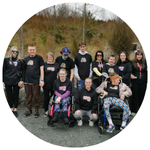
“The biggest highlight of delivering the Award would have to be when we went swimming. Two of our participants in wheelchairs had not been in the water in years. In particular, one participant had gone six years without swimming due to the accessible access required to get in the water. The day we went, coincidentally, was her birthday. She was so excited to be in the water that she cried. This activity helped expose students to new activities. We were able to add accessible materials and learned a lot that we can problem solve around to make future activities even more accessible and engaging.”
– Raelene Butt: Teacher
Queen Elizabeth Regional High School, Newfoundland

Stage 5: Celebrate & Next Steps
Mark the moment and celebrate your participants. Acknowledge their achievement, share stories, reflect on their growth, and spark momentum by encouraging them to take on the next level of the Award.
Timing: May–June, 1-2 months
Stage 5: Key Action List
Present pins and certificates recognizing participants at a celebration event, announcement or assembly
Share stories/highlights from the year with your organization and the Award office
Introduce the next Award level (Silver or Gold) to current participants and prepare for the next cohort of Bronze participants
Wrap up the year by celebrating achievements and reflecting on the Award’s impact, and give a final reminder to complete the Outcomes Research Survey.
Stage 5: Resources & Tools
- Guide for Award Celebrations – If you need support planning a celebration, this document provides helpful guidance.
- Leveraging the Award – Help participants showcase their Award! This page explains how they can highlight their achievement in resumes, interviews, and applications, and gives tips for connecting with alumni
“Our celebration night became a highlight for parents and community members. It showcased the Award as an integral part of student growth.”
Community Award Leader
Top of Page
