Across Canada, educators are already delivering meaningful experiential learning that encourages goal setting, reflection, and real‑world application. The Duke of Edinburgh’s International Award complements this work by providing a clear, flexible framework that makes learning more intentional and visible through sustained goal setting and reflection. Used alongside curriculum and co‑curricular learning, the Award supports student confidence, agency, and transferable skills without replacing curriculum or professional practice.
This page shows how educators can use the Award in a curriculum‑aligned, teacher‑light way, drawing on learning students already do in class to support reflection, ownership, and growth over time.



The Award in a Semester:
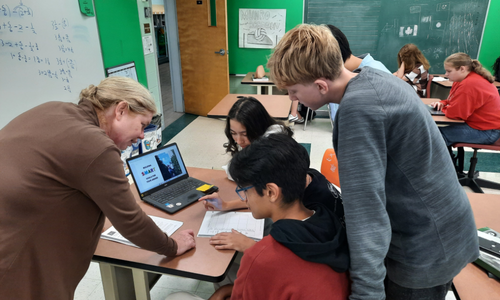
Overview of Bronze requirements: Students complete 13 weeks of consistent activity in Skill, Service, and Physical Recreation, plus an overnight Adventurous Journey (AJ) working with a small peer team.
A class activity can count when it follows the Seven Elements of the Award Canada Way: it includes a SMART goal, is meaningful to the student, shows progressive development over time, includes support from an Assessor, and includes reflection.
Delivery Tips:
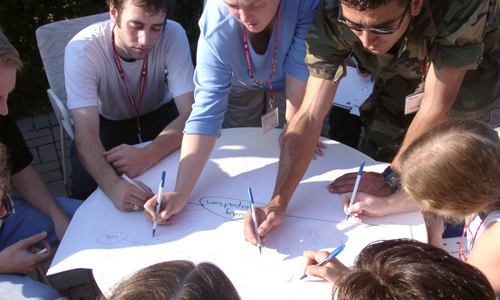
The Award fits best when it builds on what you already teach and assess. By keeping goal‑setting, short reflections, and adult check‑ins simple and consistent, everyday classroom learning is turned into meaningful evidence of progress, helping students stay focused, adjust goals, and recognise growth without adding to educator workload.
Assessor Roles and Check-ins:
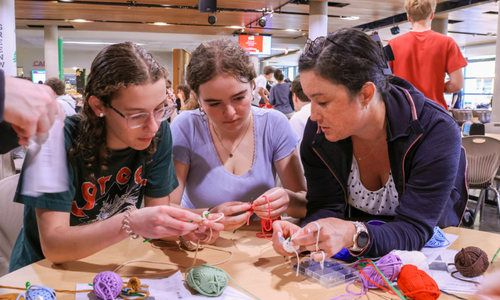
Assessors supports a participant’s goal, can provide feedback during the activity, and confirms progress at the end. Teachers can be Assessors, and in many school contexts a coach, advisor, or supervising adult can also serve as the Assessor.
Online Record Book & Reflection Prompts:

The Online Record Book is where learning in the Award takes shape, giving students a simple, consistent way to reflect, track progress, and show growth using evidence from their regular coursework.
By focusing on short reflections rather than new tasks, it supports curriculum expectations, enables meaningful feedback, and creates a record of learning that shows growth over time and beyond a single class.

What did I work on this week (class task, activity, or practice)?

What improved or progressed (specific skill, habit, or outcome)?

What will I change or focus on next week to keep improving?
How does what I worked on this week connect to my goal?
What helped or limited my progress, and why?
What specific strategy will I use next to strengthen my learning or performance?
What does my progress over time show about my learning or growth?
What skill, behaviour, or strength have I developed through sustained effort?
How could I apply this learning or skill in another context (school, work, or daily life)?
Micro-credentials:
Micro-credentials are optional, resume-friendly recognitions based on evidence students already create through Award setup, class activities, and ORB reflections. They do not need new assignments. Educators can offer one, two, all, or none based on what fits the course, student interests, and available time.
Micro-credentials you may offer:


What it recognizes: Students set themselves up for success by establishing clear goals, a simple plan, and a routine for reflection and evidence.
Evidence criteria (student earns it when they show):
- SMART goals entered (for each of the sections they are working on)
- Assessor(s) identified (teacher/coach/supervisor as appropriate)
- First ORB reflection completed
Click here to download the Portfolio Development Certificate

What it recognizes:
Students demonstrate growth in leadership by supporting others, sharing responsibility, communicating clearly, and adjusting their approach based on feedback. This may occur through the Adventurous Journey or by leading a Skill or Service activity.
Evidence criteria (student earns it when they show):
- A defined leadership role (facilitator, role lead, organizer, mentor, team lead).
- Evidence they supported others’ success (plan, peer feedback, reflection, photos of facilitation materials)
- Reflection on growth over time (what improved, what changed, what they will do next).

What it recognizes: Students plan, coordinate, and complete a small‑team process using clear roles, timelines, and reflection. This aligns naturally with Adventurous Journey planning and completion.
Evidence criteria (student earns it when they show):
- A team goal and how success will be demonstrated
- Defined roles and responsibilities
- A timeline or checklist with key tasks and milestone
- A simple contingency plan (what could go wrong and how the team will respond)
- A group debrief linking planning decisions to outcomes

What it recognizes: Students demonstrate growth in using a technology tool to improve the quality of their planning, evidence, or reflection.
Evidence criteria (student earns it when they show):
-
Use of a digital or AI tool to create a starting point (such as a SMART goal draft, planning checklist, or reflection prompt)
- They revised it to be accurate, personal, and course-aligned (human judgment matters most)
- A brief “AI use note” in one ORB log explaining the tool used, what was changed, and why (1–2 sentences)
Click here to download the Advance Training in Technology Certificate

